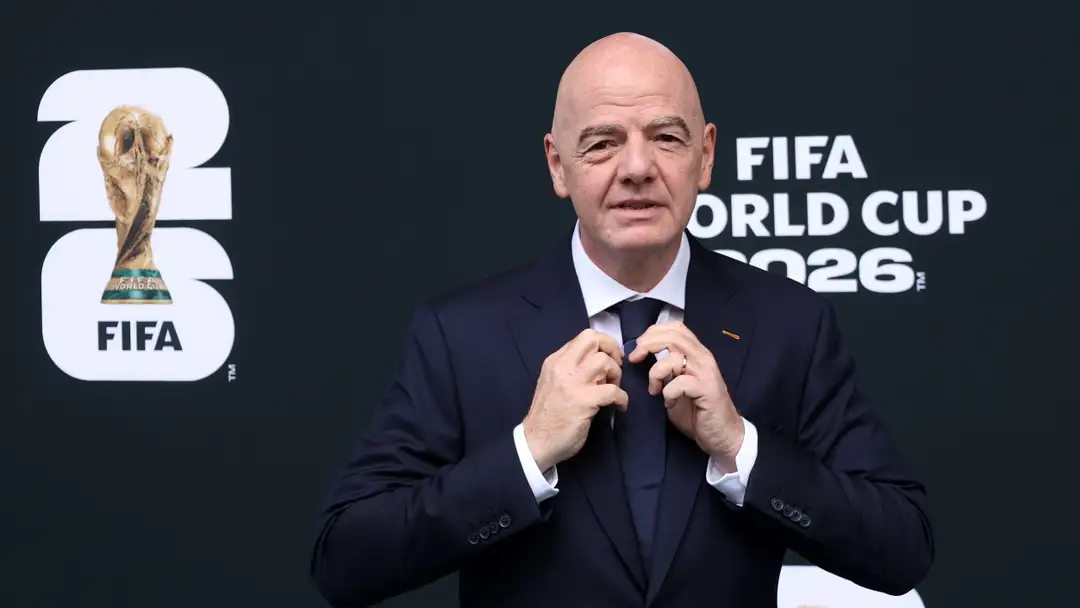
Brussels / Zurich, July 9, 2026 – FIFA President Gianni Infantino is under intense scrutiny following a strongly worded call from 72 Members of the European Parliament (MEPs) for a formal investigation into his conduct and FIFA’s decision-making processes.
The lawmakers have written to the heads of the 27 EU national football associations, urging them to push the FIFA Ethics Committee to examine whether external political pressure influenced recent rulings, particularly the controversial lifting of a one-match suspension for USMNT striker Folarin Balogun during the 2026 World Cup.
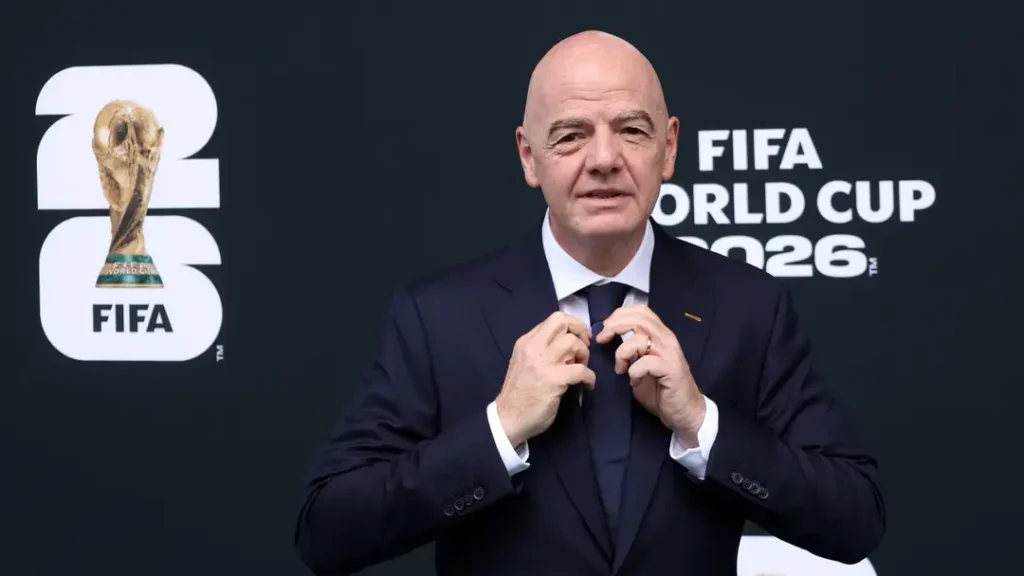
The move stems from reports that U.S. President Donald Trump personally contacted Infantino to lobby on Balogun’s behalf after the player received a red card. FIFA subsequently overturned the automatic ban, a decision critics have labeled a “disgrace” and a “perversion of justice” that undermined the tournament’s integrity.
MEPs, including Barry Andrews, Lara Wolters, and Niels Fuglsang, described the episode as a breach of FIFA’s principle of political neutrality. The letter highlights not only the Balogun case but also other alleged instances, such as Infantino awarding the inaugural FIFA Peace Prize to President Trump in December 2025.
This latest initiative builds on previous efforts, with earlier letters signed by around 50 MEPs. The current appeal, backed by representatives from multiple political groups across six parliamentary factions, reflects unusually broad bipartisan support in the European Parliament.
FIFA’s Response
FIFA has maintained that the decision to lift Balogun’s suspension was made independently by its disciplinary committee and followed established procedures. Infantino has repeatedly emphasized his commitment to political neutrality, stating in past remarks that “FIFA is neutral” and that such principles guide all operations.
However, the growing calls have fueled speculation about potential probes by both European bodies and FIFA’s own ethics mechanisms. Some voices have even suggested resignation pressure on the longtime FIFA leader.
Broader Implications
The controversy comes amid the ongoing 2026 World Cup, casting a shadow over the tournament’s governance. Critics argue that perceived favoritism toward powerful political figures risks eroding trust in global football’s governing body.
Maisha TV will continue to monitor developments as European football associations respond to the MEPs’ letter and as any formal investigations take shape. This story highlights the increasing intersection of politics, sport, and international governance.
Stay tuned to Maisha TV for the latest updates.