Nairobi — In a late-night virtual sitting that laid bare Kenya’s latest political-brand war, the Political Parties Disputes Tribunal issued preliminary orders allowing Nairobi Senator Edwin Sifuna’s Linda Mwananchi faction to reserve the name “The Mwananchi Party” while the Liberty National Democratic Alliance (LINDA) continues its own registration process. The Registrar of Political Parties is barred from processing “Linda Mwananchi” or any similar variation for anyone else until the appeal is heard on 14 September.
The consent order, adopted after both sides struck a deal, is being hailed by Sifuna’s allies as a temporary shield for a brand they say they built in the streets. Critics call it evidence of selective enforcement. On X, users immediately framed the fight as proof that President William Ruto’s administration is “scared” of a nameless but growing opposition energy.
How a slogan became a legal battlefield
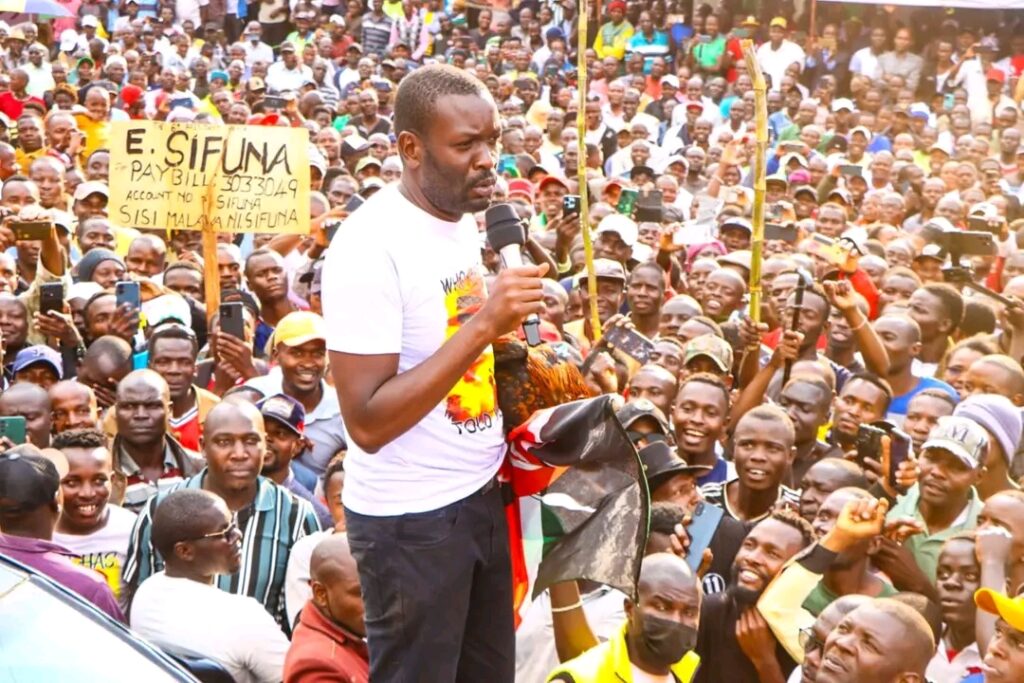
Linda Mwananchi (“Protect the Citizen”) began as a civic mobilisation slogan among ODM rebels who rejected the party’s broad-based cooperation with Ruto’s government. By mid-2026 it had become a touring movement led by Sifuna, Siaya Governor James Orengo, Embakasi East MP Babu Owino, Vihiga Senator Godfrey Osotsi and others. They publicly floated Sifuna as a possible 2027 presidential candidate.
The name fight started earlier. In February 2026, Charles Wanyonyi applied to reserve “Linda Mwananchi Party of Kenya.” The Office of the Registrar of Political Parties, headed by John Cox Lorionokou, rejected it in March, citing similarity to the already-reserved slogan “Linda Mkenya, Boresha Kenya” and “public interest” under Section 8 of the Political Parties Act.
Sifuna’s team — applicants Pauline Njoki Njoroge, former Law Society of Kenya president Faith Odhiambo and Suba South MP Caroli Omondi — applied on 4 June for “Linda Mwananchi Movement.” They too were initially turned down on public-interest grounds. After an 4 August meeting with the Registrar, they announced the office had agreed to review the decision. Three days later the Registrar reversed course, pointing to the sudden appearance of LINDA.
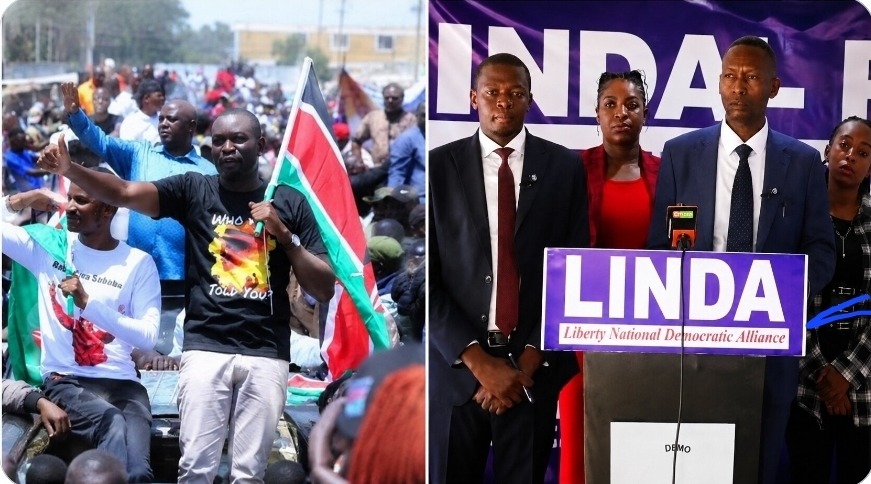
LINDA — Liberty National Democratic Alliance — is led by Phanesio Thuku. Its officials say the party began registration in 2024, has members nationwide and owns the “LINDA” identity. A press conference video circulated on X shows party officials at a branded podium insisting the name and colours belong to them and accusing Sifuna’s group of using another party’s identity.
“We are fighting for a brand, not a party”
On 25 August, while the tribunal sat, Sifuna addressed young aspirants at Ufungamano House. He was blunt:
“We took the Registrar to court because we do not believe he has any reason to deny us the name. But I want to be clear: what we are fighting for is not a party. We have parties. We are fighting for a brand, our name.”
He added that they are “political children of Raila Odinga” who have “plans A to Z” and will simply rebrand whichever existing party they choose. “A rose by any other name still sells,” he said at a funeral days earlier.
The tribunal’s order preserves that flexibility. Sifuna’s camp can keep “The Mwananchi Party” reserved while LINDA proceeds. No one else may touch “Linda Mwananchi” or close variants until September. Both sides entered the consent; the tribunal adopted it.
Historical echoes and the “unconstitutional” charge
Supporters quickly invoked Kenya’s party-name history. In 1992 the original FORD split into FORD-Kenya (Jaramogi Oginga Odinga) and FORD-Asili (Kenneth Matiba and Martin Shikuku). Both were registered and contested elections. In 2007 ODM and ODM-Kenya (later Wiper) co-existed after a similar split.
“Registrar never had issues until Sifuna wants to reserve Linda Mwananchi,” one widely shared post argued. Another called the sudden discovery of a 2024 LINDA party “a calculated hit job.” Replies noted that LINDA is an English acronym while Linda Mwananchi is Kiswahili, so “confusion” is overstated.
The law is not silent. Section 8 of the Political Parties Act gives the Registrar power to reject names that resemble existing parties or slogans or that are contrary to public interest. In 2023 the same office blocked “ODM Asili,” “ODM Kamili” and “ODM Mpya” after ODM objected. Similar names have been both allowed and refused depending on who objects and when.
Whether the current application of that power is consistent or politically timed is now the live question before the tribunal.
Tight deadlines and Plan B
The legal pause coincides with hard IEBC timelines. Parties must submit authorised officials and specimen signatures by 15 October 2026 and certified nomination rules by 30 October. Sifuna’s allies have already identified fallback vehicles, including a rebranded United Democratic Party (now being styled Ukombozi People’s Party) once linked to the late Cyrus Jirongo, and Boni Khalwale’s newly registered United Patriotic Movement.
Osotsi told supporters there is “no cause for concern.” If they lose the brand they will simply proceed under another name: “It is the personalities and ideals that have made people support us.”
On social media, the conversation remains raw. Some posts celebrate the tribunal’s protection of the street brand. Others accuse Sifuna’s camp of “victim mentality” and note that LINDA claims an earlier registration date. A few mock the entire spectacle as Kenya’s familiar pre-election name-and-colour scramble.
The next hearing is 14 September. Until then the names “The Mwananchi Party” and LINDA sit in a legal holding pattern while the political movement that made “Linda Mwananchi” famous continues to tour the country — still looking for a vehicle that matches the slogan Kenyans already know.