Nairobi/Homa Bay — In the bloodied aftermath of a deadly political ambush in Homa Bay, fresh threats of violence continue to emanate from Nyanza political circles aligned with the mainstream ODM and grassroots influencers, casting a long shadow over Kenya’s democratic space ahead of the 2027 elections.
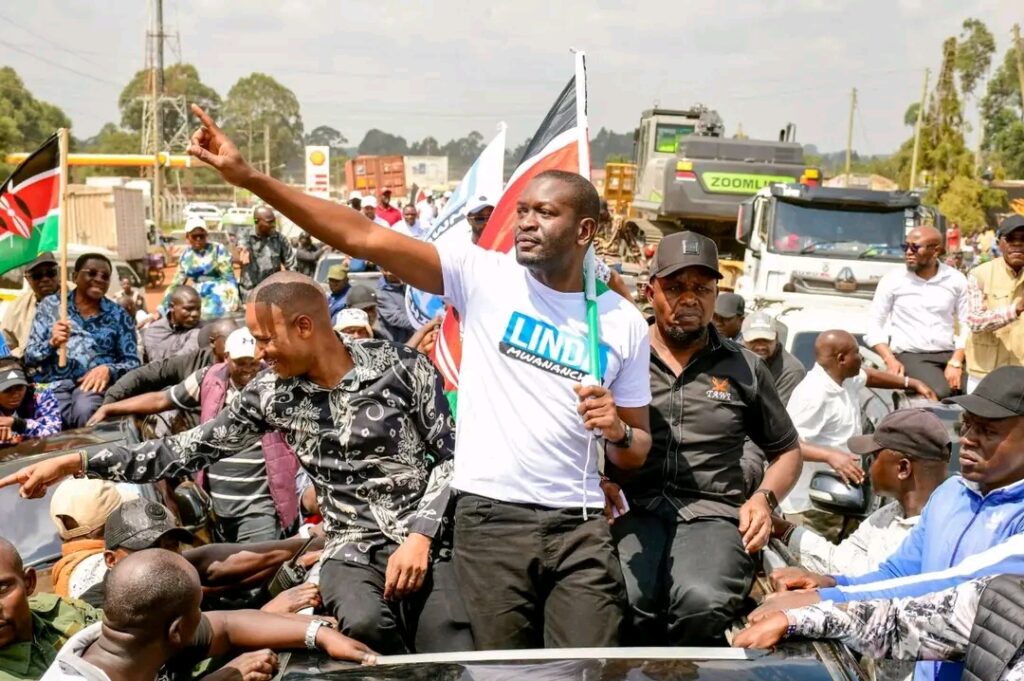
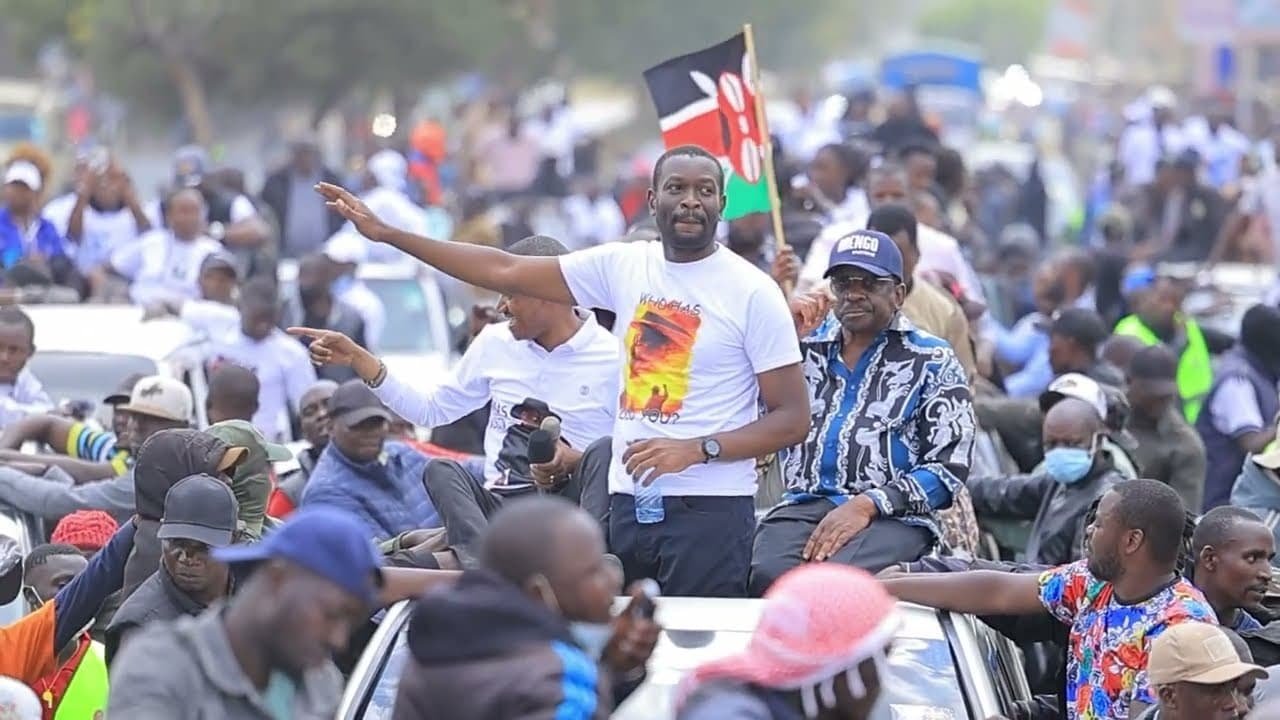
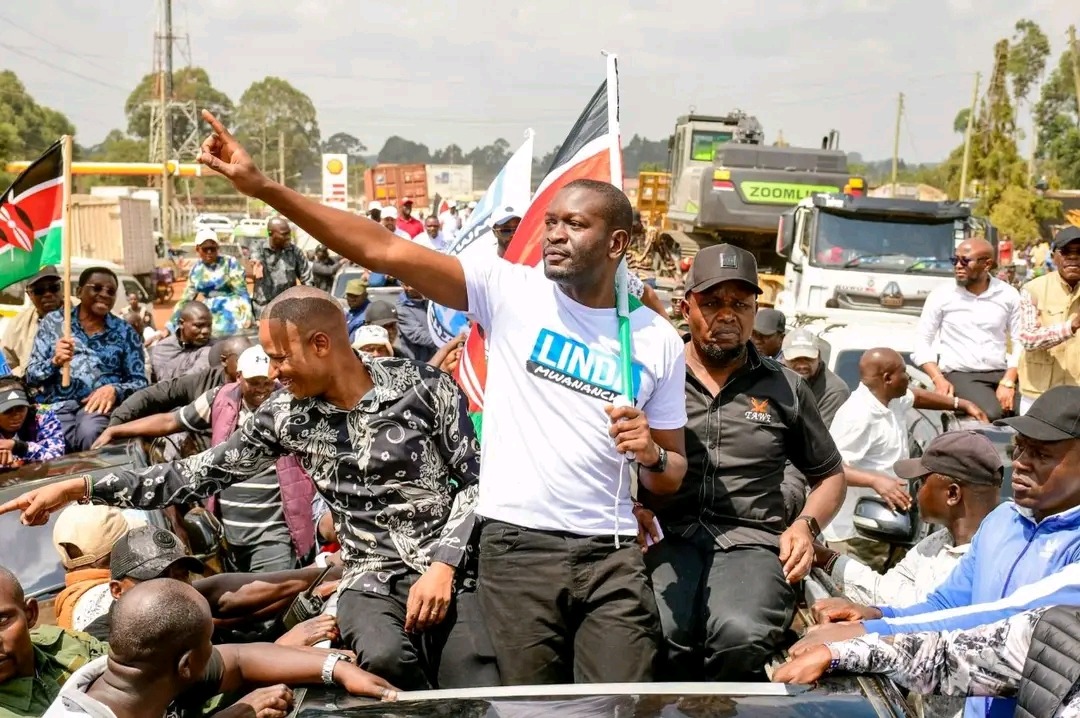
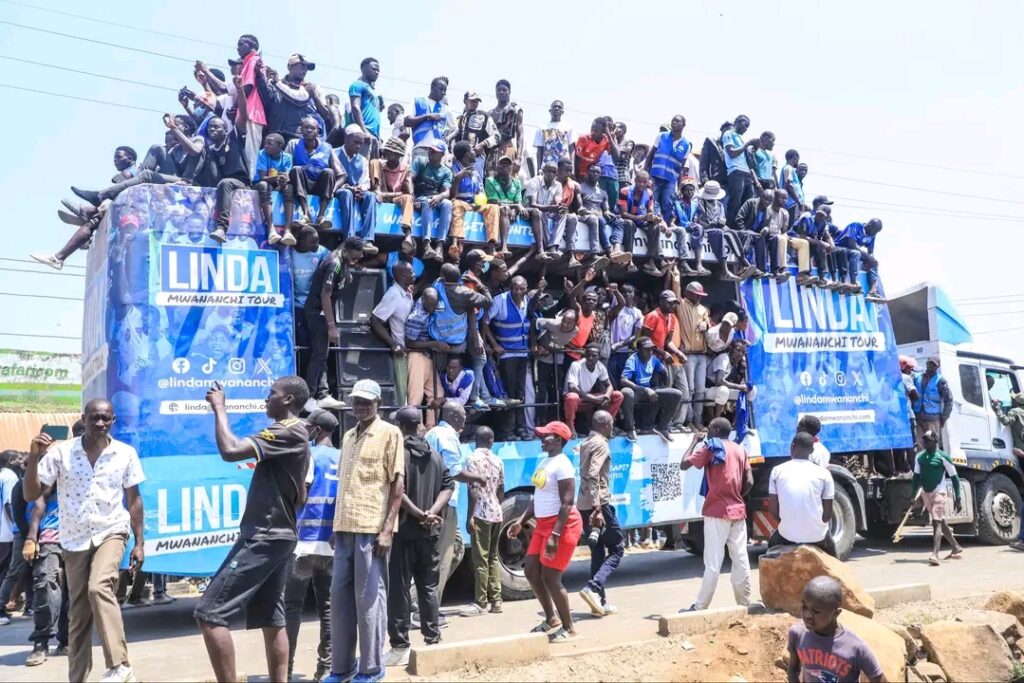
The Linda Mwananchi faction — a breakaway group including Siaya Governor James Orengo, Nairobi Senator Edwin Sifuna, and Embakasi East MP Babu Owino — faces escalating hostility after their August 16, 2026, mobilisation tour was met with coordinated attacks that left at least two people dead, dozens maimed, vehicles torched, and property destroyed.
What began as roadblocks of stones, logs, and boulders along key routes into Homa Bay Town escalated into open combat. Armed youths, some reportedly paid between KSh 2,000 and 4,000 and ferried from neighbouring Migori County, hurled stones and wielded machetes at the Linda Mwananchi convoy. Police used tear gas in places like Ndhiwa, but the chaos claimed a police officer (struck by a stone while driving) and a Ugandan woman (run over amid the disorder).
Hospitals treated scores for panga cuts, gunshot wounds to limbs, and other injuries; one patient underwent a leg amputation. Six or seven vehicles were burned, a media house car among them. Attackers later stormed a beach hotel hunting for supporters and even targeted Homa Bay County Teaching and Referral Hospital, seeking the injured. Journalists covering the events were assaulted and robbed.
Evidence points to premeditation. Sources and youth accounts indicate planning meetings began as early as August 2 at a prominent politician’s home, with instructions to block Orengo and the Linda Mwananchi team.
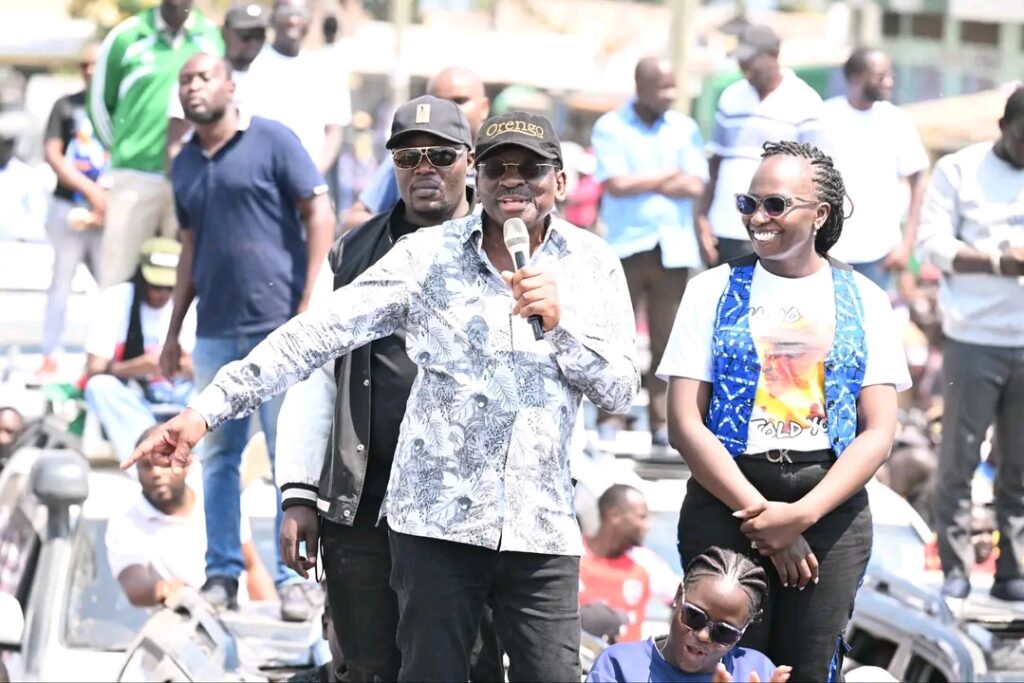
A day before the rally, Homa Bay Town MP Peter Kaluma was captured on video at a gathering in Lo Rateng issuing commands: anyone chanting “one term” (against President William Ruto’s re-election) should be “dealt with,” and hotels housing opponents must be inspected. “This is an ODM stronghold and we insist that Ruto must be two-term,” he declared. The National Cohesion and Integration Commission (NCIC) summoned him for August 19 over alleged hate speech and incitement, but Kaluma requested a postponement beyond August 27, citing state duties and disputing the transcription.
Linda Mwananchi has demanded the arrest of Homa Bay Governor Gladys Wanga, Kaluma, and others, alleging state-sanctioned violence involving police and National Intelligence Service operatives. They claim roadblocks from the Kisumu-Homa Bay border, armed attackers firing from bushes, and goons transported from multiple counties.
An alleged NIS officer was reportedly apprehended by supporters. The group has filed complaints at the DCI and vowed court action, civil disobedience, and intensified mobilisation rather than retreat.
Meanwhile, Calvin Okoth, popularly known as Gaucho — a Migori-linked influencer and Mama Lucy Hospital board member with a history of confrontational rhetoric — has issued fresh warnings. In a recent recorded video circulating widely, Gaucho dares Sifuna and Babu Owino to attempt rallies in Migori, declaring it a “no-go zone” without local organisers’ permission. Earlier clips show him ranting about historical Kikuyu-Luo tensions and warning that Migori’s politics operate like a “paramilitary zone.” Such statements revive old ethnic fault lines that many hoped the Raila-Uhuru handshake had buried. Whether Gaucho speaks solely for himself or channels broader political messaging remains unclear, but his words land amid a pattern of grassroots mobilisation against the opposition faction.
Former Deputy President Rigathi Gachagua has gone further, accusing President Ruto of direct involvement. Gachagua claims Ruto met Wanga, Kaluma, and others at the Kisumu State Lodge on the eve of the rally to plan the disruption before departing for Dubai on a private jet. Ruto, who has cultivated Luo Nyanza support for his re-election bid through frequent visits and alliances with mainstream ODM figures, has remained publicly silent on the Homa Bay bloodshed.
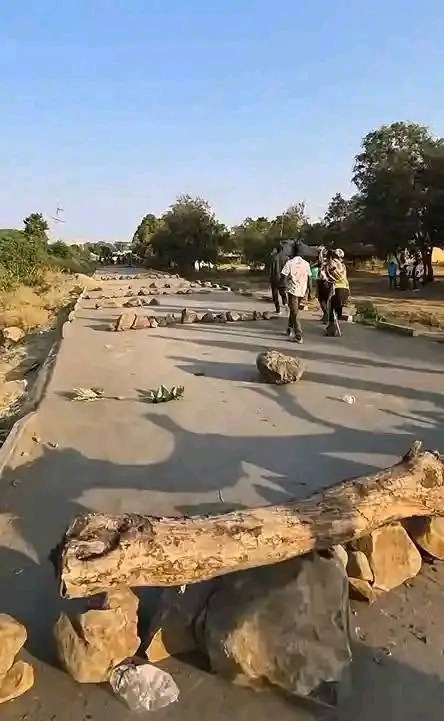
Videos from Homa Bay show young men later bragging about their “successful” work and readiness to repeat it. The toll — deaths, machete wounds, property destruction, and a climate of fear — underscores how political intolerance has surged, particularly against opposition voices. Kenya’s constitutional rights to assembly and expression ring hollow when goons operate with apparent impunity and accountability remains elusive. Arrests of dozens of suspects have occurred, yet questions persist about those who organised, funded, and directed the violence.
Should Gaucho’s threats be taken seriously? Given the paid goons, pre-planned barricades, and documented incitement that preceded the Homa Bay carnage, yes — they form part of a dangerous continuum. Whether they are independent outbursts or proxies for political interests is harder to prove without thorough investigation. Claims of state orchestration, while forcefully made by Linda Mwananchi and Gachagua, remain allegations pending independent verification by agencies such as the DCI, IPOA, and NCIC.
As 2027 approaches, the Homa Bay episode stands as a grim warning: without decisive action against political goonism and ethnic-tinged rhetoric, Kenya risks sliding further into a place where violence, not the ballot, decides political destinies. The pipe dream of justice for the victims of August 16 only grows more distant as new threats soar.