by Ridah Kering Chebet
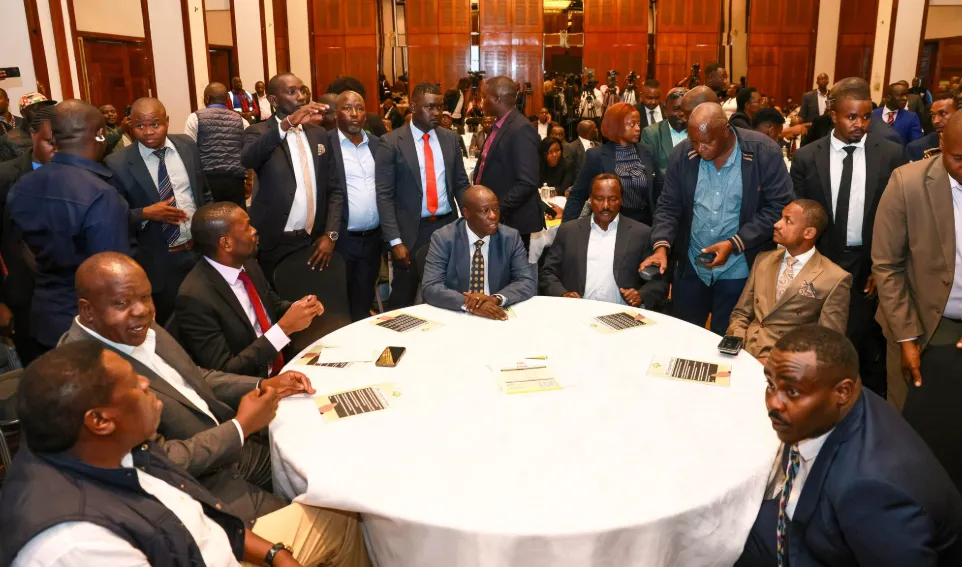
NAIROBI, November 20, 2026 — Kenya has selected a United States-led consortium to develop the strategically vital rare earth and niobium deposits at Mrima Hill in Kwale County, awarding rights to a project estimated at more than $60 billion (roughly Sh8 trillion) and handing Washington a prized asset in its drive to loosen China’s grip on the minerals that power electric vehicles, aerospace, electronics and defence systems.
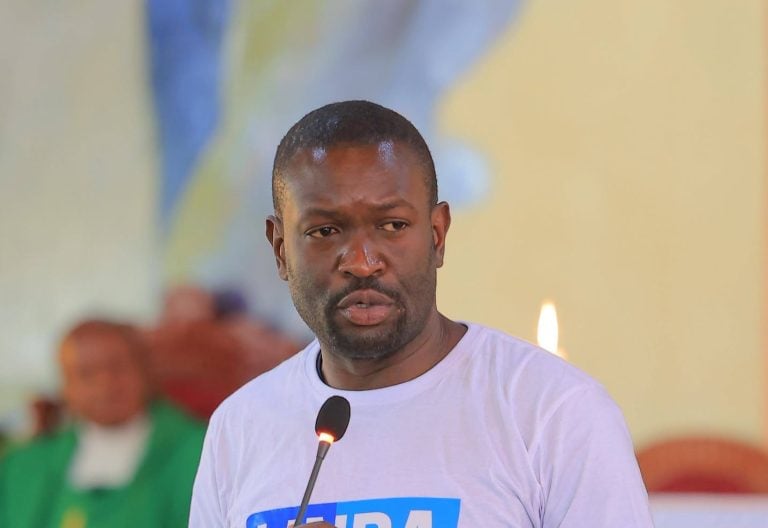
Mining, Blue Economy and Maritime Affairs Cabinet Secretary Hassan Ali Joho announced on Thursday that the Frontier Minerals Consortium — comprising Frontier Minerals LLC, Indiana-based ReElement Technologies and American Resources Corporation, and Bunker Hill Mining — emerged as the preferred bidder after a rigorous, multi-month competitive tender. The award is a notice of intention, not an immediate licence. The consortium must still secure community consents, landowner agreements and a prospecting licence before any work can begin.
The decision marks the culmination of a process that began with an open request for expressions of interest published in March 2026. Seven bidders were shortlisted in July, including two Chinese firms that later withdrew without explanation. Final contenders included other US-linked groups and an Australian consortium led by RareX.
Evaluation covered legal compliance, technical capacity (with an 80 percent minimum pass mark), financial strength, commitments to in-country processing and refining, local content, employment for Kenyans, environmental restoration and cultural heritage protection. Joho has stressed that the process was transparent and that unsuccessful bidders may appeal through established channels.
Australia’s RareX has already signalled it will challenge the outcome, alleging procedural issues, with a December deadline to file a formal complaint.
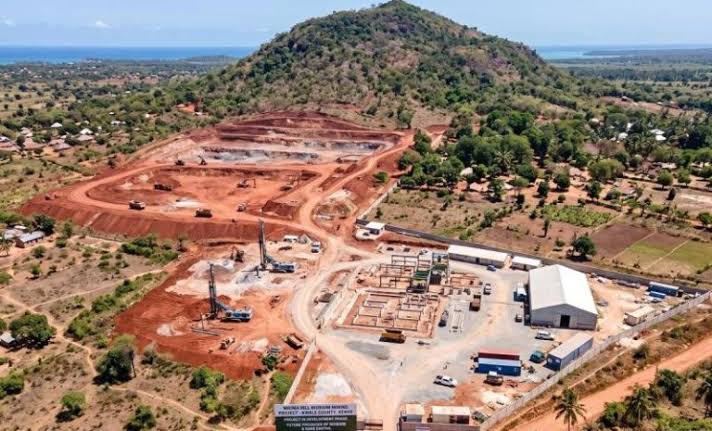
Frontier Minerals has pledged to build processing and refining capacity inside Kenya rather than simply exporting raw concentrates — a red line for the Kenyan government, which is determined to capture more value from its mineral wealth and reduce dependence on foreign refiners. Managing member Brad Barnett has said the consortium intends to create lasting opportunities for Kenyan workers and businesses through capacity-building and targeted investment while prioritising environmental performance.
The award sits at the centre of intensifying US-China competition over critical minerals. Washington has identified Mrima Hill as a priority target under President Donald Trump’s push to diversify supplies whose processing is overwhelmingly controlled by China. Kenyan officials have previously described talks with the United States on supporting domestic refining and technology transfer. In the same tender round, a Chinese joint venture involving Fangda Special Steel Technology and Sinohydro secured separate projects for chromite in Samburu County and copper in Tharaka Nithi County, illustrating Kenya’s effort to balance major powers while advancing its own industrial ambitions.
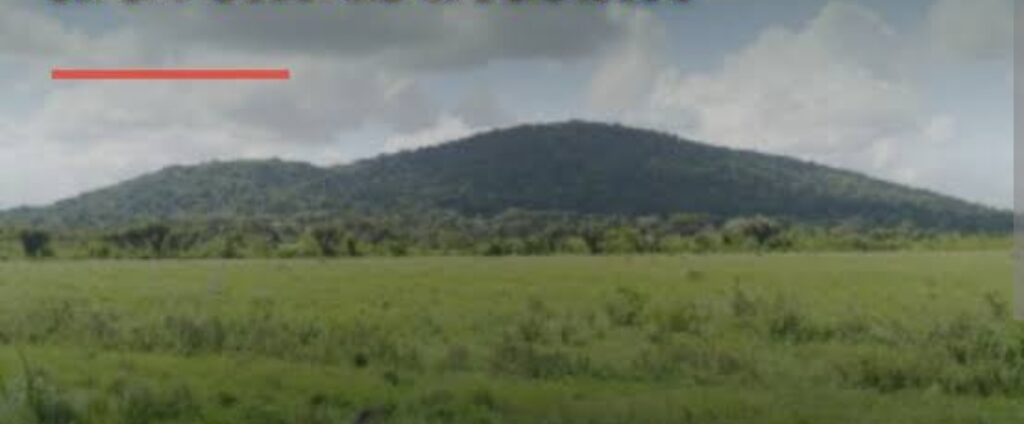
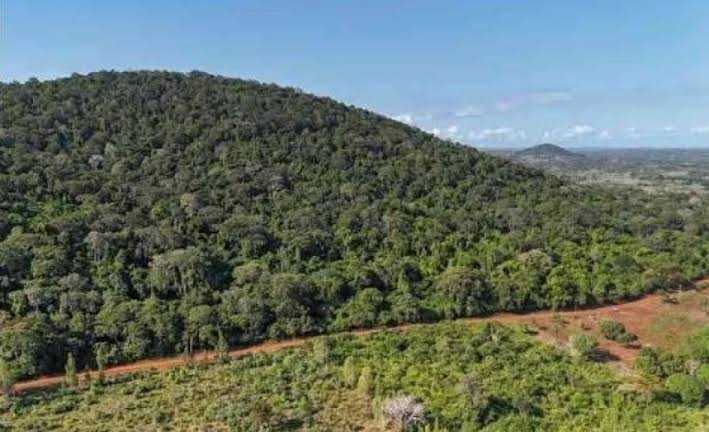
Yet the path from preferred bidder to production is far from clear. Mrima Hill is a protected national monument designated in 1992, home to a sacred kaya forest, ancestral graves, shrines and medicinal trees of deep significance to the local Digo and Mijikenda communities. Farmers around the roughly 32-square-kilometre (about 390-acre) forested site have expressed fears of losing productive land and livelihoods, while community leaders insist they have received insufficient information to give informed consent. One elder has stated that traditions are organised around the forest and that the community will refuse any digging of the hill. Joho has maintained that communities were consulted before the tender and that “no prospecting operation can proceed without the social licence and formal consents of the people on the ground.” The ministry has deliberately selected investors first, then required them to engage host communities, landowners and county authorities.
A previous attempt to develop the site by Cortec Mining Kenya collapsed after environmental regulators rejected an assessment in 2013 citing the protected status. Kenya later prevailed in international arbitration, with a tribunal ruling that the licence should not have been issued without proper environmental approval. Civil society groups have already sought court orders to suspend aspects of related US-Kenya arrangements pending fuller consultation, though the attorney general has contested jurisdiction.
For Kenya, whose mining sector earnings have fluctuated and which remains heavily reliant on agriculture, tourism and services, the project represents a potential leap into high-value critical minerals production. For the United States, it is a tangible advance in a long campaign to build alternative supply chains. The real test now begins on the ground: whether community consent can be secured, whether rival challenges succeed, and whether the promised local refining and shared benefits materialise in a landscape where cultural heritage, environmental protection and national economic ambition must coexist.
The award is a gateway, Joho has said, not a licence to break ground. The coming months of engagement, regulatory review and possible legal contests will determine whether Mrima Hill becomes a model of equitable resource development or another contested chapter in Africa’s minerals story.